

The Difference Between a Roof Repair and a Full Roof Replacement
- The Roofing Guys
- Dec 26, 2025
- 3 min read
When something goes wrong with a roof, many homeowners immediately wonder the same thing: “Do I need a repair—or do I need a whole new roof?”
In Southern Illinois, where roofs are exposed to frequent storms, temperature swings, and heavy rain, this question comes up often in places like Herrin, Marion, Carterville, Carbondale, and surrounding communities.
The honest answer is: it depends on the condition of the roof system as a whole—not just the visible problem.
Let’s walk through the difference clearly and realistically.
What a Roof Repair Is (and Isn’t)
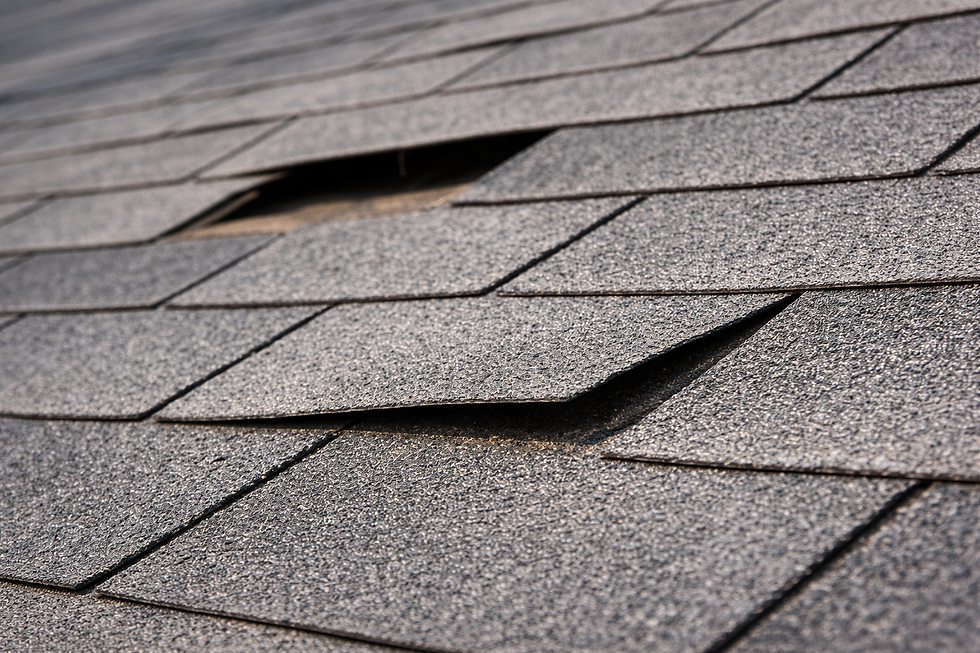
A roof repair addresses a specific, isolated issue without disturbing the rest of the roof system.
Common repair scenarios include:
A small flashing failure
Minor wind damage to a few shingles
A localized leak around a vent or pipe
Damage from a fallen branch
Loose or missing shingles after a storm
In these cases, the surrounding materials are still performing as intended, and the issue can be corrected without compromising the roof’s integrity.
A proper repair should:
Stop active water intrusion
Blend into the existing roof system
Preserve the remaining lifespan of the roof
When a Repair Makes Sense
Roof repairs are usually appropriate when:
The roof is relatively young (often under 10–12 years)
Damage is limited to one area
The roof deck beneath is still solid
There is no widespread material deterioration
Previous installation was done correctly
In these situations, a repair can be a practical and cost-effective solution.
What a Roof Replacement Really Means
A roof replacement is more than new shingles.
It involves removing existing materials and rebuilding the roof system from the deck up, which allows underlying problems to be identified and corrected.
A full replacement addresses:
Aging or brittle shingles
Worn or failing underlayment
Decking issues
Ventilation problems
Flashing deficiencies
Ice and water protection gaps
Replacement isn’t about fixing one issue—it’s about resetting the entire system.
Signs a Repair May Not Be Enough
There are situations where repairs become temporary fixes rather than solutions.
Common indicators include:
Multiple leaks in different areas
Repeated repairs over time
Shingles losing granules or curling
Soft or spongy decking
Moisture damage discovered beneath the surface
Roof age approaching or exceeding regional lifespan averages
In towns like Benton, West Frankfort, and areas near Lake of Egypt, we often see roofs that appear “repairable” from the ground but show widespread wear once inspected closely.
Why Some Roofs Can’t Be Reliably Repaired
As roofs age, materials lose flexibility and sealing ability. Attempting to repair one area can sometimes create stress in another.
Older roofs may:
Crack when shingles are lifted
Fail to reseal around fasteners
Allow moisture migration under intact-looking shingles
In these cases, repairs may temporarily stop a leak—but not address the root cause.
The Risk of Chasing Leaks
One of the most frustrating experiences homeowners face is chasing leaks with repeated repairs.
This often happens when:
The roof system is nearing the end of its lifespan
Water is entering in one location but appearing in another
Underlayment or decking has deteriorated
What starts as a small repair can turn into multiple service calls over a few years—often costing more than a planned replacement would have.
Insurance Considerations
Storm-related damage can complicate the repair vs. replacement decision.
Insurance may:
Cover repairs for isolated damage
Approve replacement when damage is widespread or system-level
Deny claims if deterioration is due to age rather than a storm event
A thorough inspection and documentation matter more than assumptions in these situations.
There Is No “One-Size-Fits-All” Answer
Two homes with similar-looking roofs may require very different solutions.
That’s why the decision should be based on:
Roof age
Extent of damage
System condition
Long-term performance expectations
Budget and planning goals
A calm, informed evaluation leads to better outcomes than rushing into the cheapest or fastest option.
Final Thoughts
A roof repair and a roof replacement serve very different purposes.
Repairs solve specific problems. Replacements solve system-wide issues.
Understanding the difference helps homeowners avoid unnecessary expense, prevent repeat problems, and make decisions that align with the real condition of their roof—not just what’s visible from the driveway.


Comments